

Seattle Just Rewrote Its Zoning Rules. Most Buyers Are Still Shopping the Old Map.
By Sage Sanders | Updated: July 2, 2026
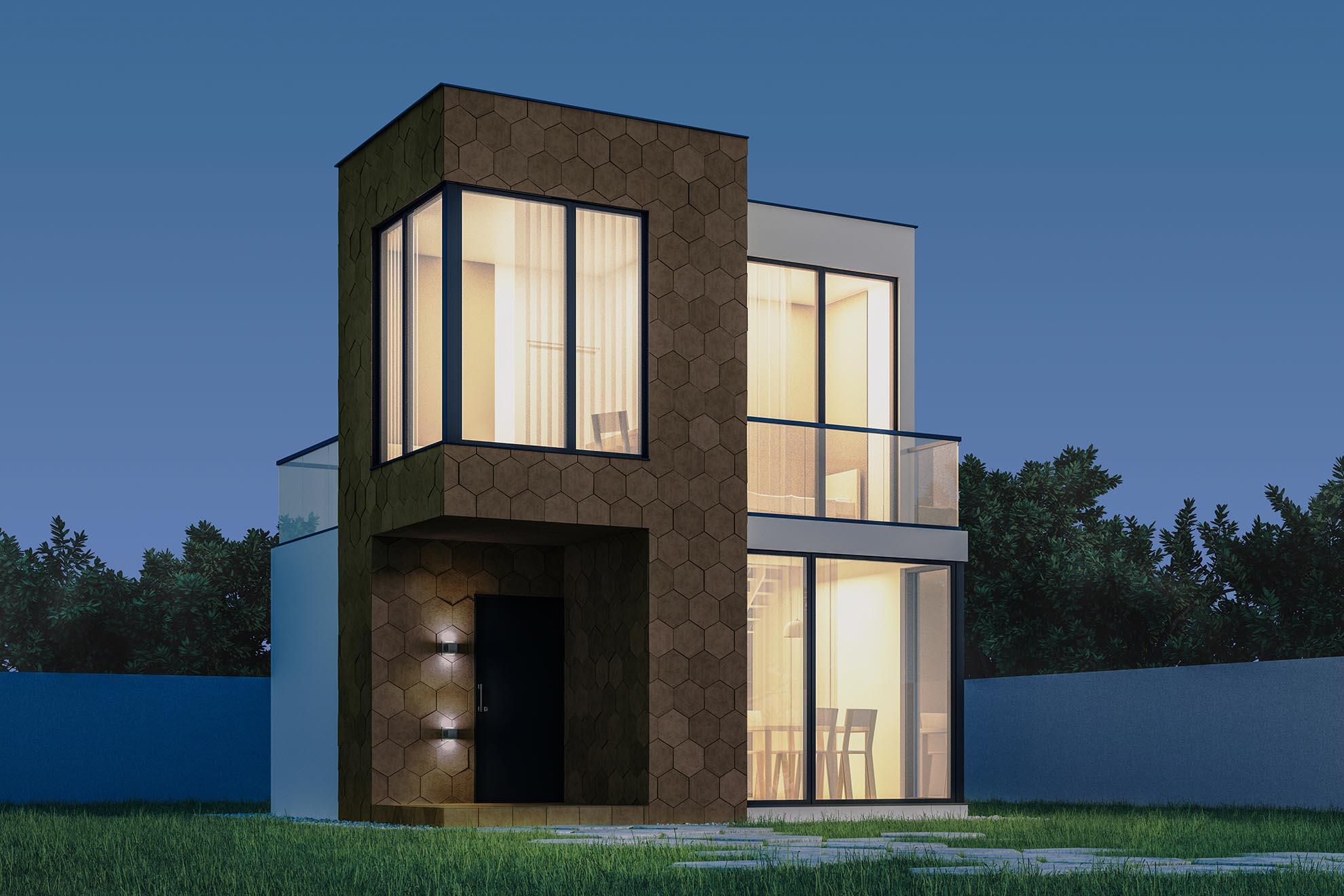
Washington State’s middle housing legislation, House Bill 1110 passed in 2023, requires Seattle and other cities to allow significantly more density on land that used to support only a single home. In many Seattle neighborhoods, a lot that previously permitted one house can now support a duplex, a triplex, cottage clusters, or a main home alongside a detached accessory dwelling unit. A DADU in the backyard is no longer a regulatory obstacle course. In many cases, it’s a streamlined path to rental income.
For buyers who understand this, the calculus on an older Seattle home changes considerably. That’s the map most buyers aren’t using yet. Here’s what it looks like.
The Opportunity in the Older Home
Seattle has significant housing stock from the 1920s through the 1960s: craftsman bungalows, Tudor cottages, midcentury ramblers, and older Cape Cods with good bones and layouts that haven’t been white-walled and open-concept-ed into something that photographs well but lives generically. These homes price differently than new construction because they need work.
That’s exactly the point.
Gen Z and Millennial buyers willing to renovate on their own terms often find more value in an older home than a new one. You’re not inheriting someone else’s design choices. You’re buying a structure in a real neighborhood with established trees, a real backyard, and the kind of character that only time builds. The kitchen gets updated to what you actually want, not what a developer decided would appeal to the broadest possible buyer pool.
And if the lot now supports a DADU under the new zoning, that backyard becomes a mortgage offset. A well-designed detached accessory dwelling unit in Seattle can generate enough rental income to meaningfully change the monthly math. For many buyers in this market, that rental income isn’t a bonus feature. It’s the reason the numbers work at all.
Know the Neighborhood Before the Address
Seattle’s neighborhoods have genuine personalities, and buying in one versus another is a lifestyle decision as much as a location one.
Ballard
Ballard started as a Scandinavian fishing village and has held onto its identity better than most Seattle neighborhoods. The farmers market runs year-round, the Ship Canal is a short walk from some parts, and the brewery count is, frankly, impressive. The housing stock is a mix of older craftsman homes, newer townhomes, and everything in between. Buyers who land in Ballard tend to want walkability and a neighborhood that knows exactly what it is.
Fremont
Fremont calls itself the “Center of the Universe” and has a sign that says so, which tells you quite a bit. It’s quirky, genuinely creative, and increasingly tech-adjacent. The Burke-Gilman Trail runs directly through it, and there’s a troll under a bridge who has been there since 1990 and shows no signs of leaving. Older homes here sit on lots that, with new zoning flexibility, carry real income potential for buyers willing to think a step ahead.
Queen Anne
Queen Anne has two distinct personalities depending on which part you land in. Upper Queen Anne is quieter and residential, with views of the Space Needle and the Olympics that most homeowners in the country would trade significant square footage to have. Lower Queen Anne sits closer to Seattle Center and carries more foot traffic and energy. Both have character and an older housing stock that rewards buyers who can see past the cosmetic.
Belltown
Belltown is a different conversation entirely. It’s dense, urban, and close to everything: Pike Place Market, the waterfront, the financial district, and more restaurant options than any reasonable person could work through in a year. The housing there skews heavily toward condos rather than single-family homes, which suits buyers who want the city rather than a yard. It offers lock-and-leave living with a location that makes commuting feel optional.
What to Carry Into Every Showing
Beyond the neighborhood, the questions that matter most when you touring a property are:
-
Zoning Potential: What’s the lot size, and what does the updated zoning allow on it?
-
Investment Math: If a DADU is feasible, what does the rental income potential look like against the mortgage?
-
Value Pricing: What’s the deferred maintenance, and how does it price into the offer?
-
Intuition: Honestly, do you feel something when you walk through the door, or are you just checking boxes?
The homes with the most upside in Seattle right now aren’t always the most polished ones on the market. They’re the ones where the lot, the neighborhood, and the new rules line up in ways the seller hasn’t fully priced in yet.
If you’re trying to figure out which neighborhoods and which properties fit where you’re headed, I’d be glad to think that through with you.
Strategy & Tools to Get Started
-
📥 Download the Buyer’s Guide: Learn how to evaluate property potential under the state’s updated density laws. Access the Buyer’s Guide Here.
-
📊 Take the ABCST Decision-Making Assessment: Every major life transition involves different emotional, financial, and analytical styles. Take this quick, two-minute assessment to gain deeper clarity around how you naturally make important investment choices. I personally review every response to provide thoughtful, tailored guidance. Take the ABCST Assessment.
-
📅 Schedule a No-Pressure Consultation: Ready to talk about your next steps? Let’s connect for a real conversation about which neighborhoods fit your personality and how to spot homes with unrecognized zoning upside. Schedule a Consultation with Sage.
“I share this because better decisions build better lives.”
Sage Sanders, Managing Broker
Coldwell Banker Danforth
📧 [email protected] | 📱 Text: 425-333-1315 | 📞 Call: 206-478-7333